

Dominican Republic’s Ecotourism Destinations
Discover a country where protected nature, authentic communities, and sustainable development converge.
From cloud forests and mangroves to waterfalls and mountain valleys, the Dominican Republic offers ecotourism experiences that create long-term value for travelers, communities, and responsible investors.
Where Nature, Community, and Opportunity Align
Beyond resorts and beaches, the Dominican Republic reveals its most powerful story through national parks, rural communities, and preserved ecosystems.
Ecotourism here is not a niche — it is a growing pillar of national development. Community-led experiences, conservation-driven projects, and eco-lodges coexist with expanding infrastructure, positioning the country as a leader in sustainable travel and impact-oriented investment.
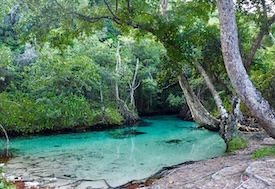
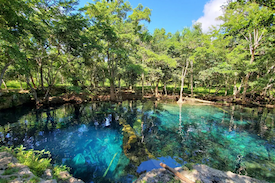
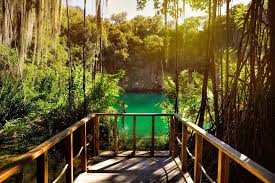
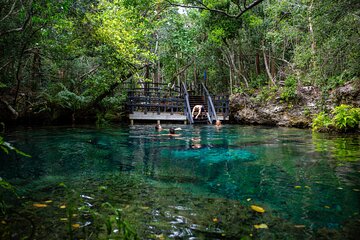
Quick Ecotourism Facts
Building Sustainable Destinations, One Community at a Time
Including national parks, biosphere reserves, marine sanctuaries, and mountain regions that form the backbone of the country’s ecotourism strategy.
A steadily growing segment of travelers seeking authentic, low-impact experiences — supporting year-round visitation and diversified regional economies.
Ecotourism directly supports biodiversity conservation, habitat preservation, and environmental education across multiple ecosystems.
Community cooperatives, local guides, and family-owned lodges ensure tourism revenue stays within the regions it benefits.
Featured Ecotourism Destinations
Places Where Nature and Purpose Meet
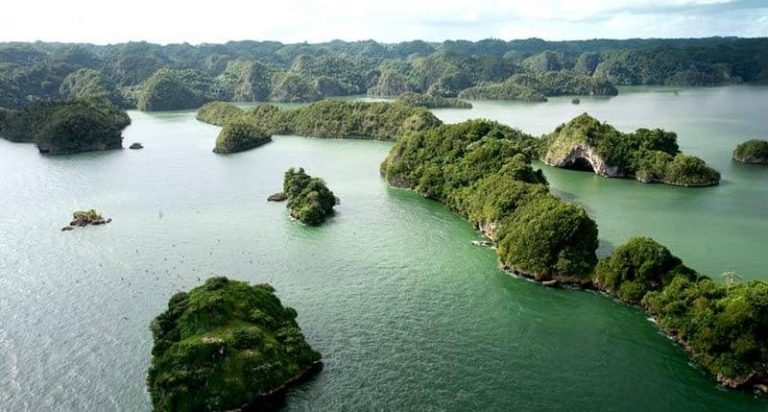
Los Haitises National Park
Best Time to Visit: April - October
Karst landscapes, mangroves, and ancient cave art create one of the Caribbean’s most important conservation zones, supporting boat tours, birdwatching, and cultural heritage tourism.
Samaná Bay
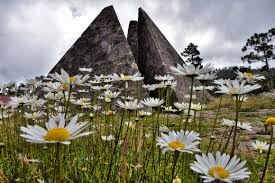
Valle Nuevo National Park
Best Time to Visit: Spring & Fall
High-altitude pine forests and cool climates offer hiking, endemic species observation, and eco-lodge opportunities in a unique alpine Caribbean environment.
Cordillera Central
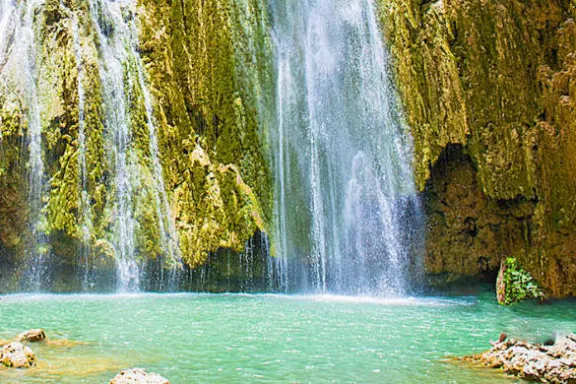
El Limón Waterfall
Best Time to Visit: April - October
A community-managed destination combining hiking, horseback riding, and local guides, demonstrating how tourism and conservation can coexist.
Samaná Peninsula
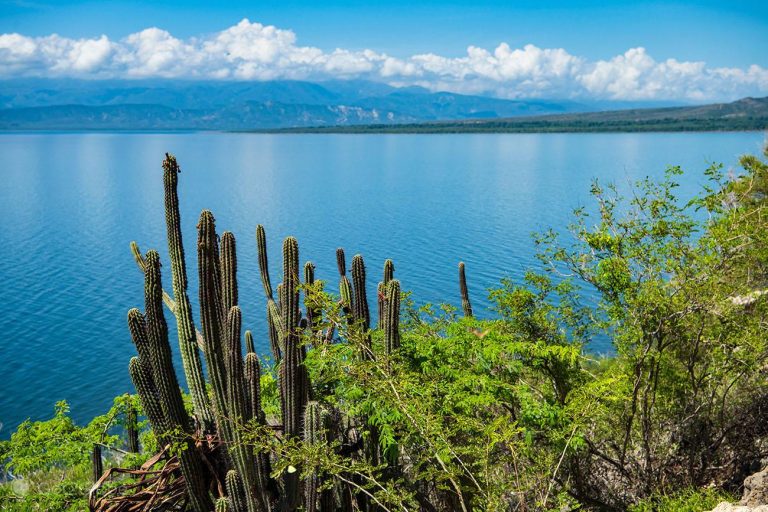
Lago Enriquillo
Best Time to Visit: May - September
Below-sea-level ecosystems home to crocodiles and flamingos, offering scientific tourism, wildlife observation, and educational travel experiences.
Southwest Region
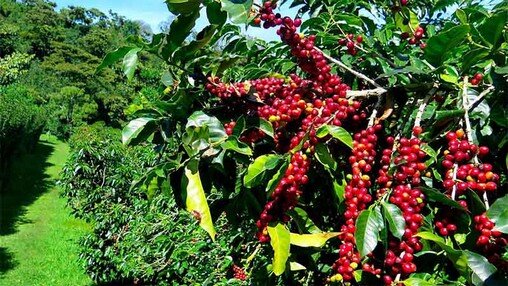
Jarabacoa Coffee Route
Best Time to Visit: November - March
Mist-covered mountains, coffee farms, and river valleys connect agro-tourism, family-run experiences, and sustainable agriculture.
Central Mountains
Planning Your Dominican Ecotourism Experience
Green Energy & Sustainable Development
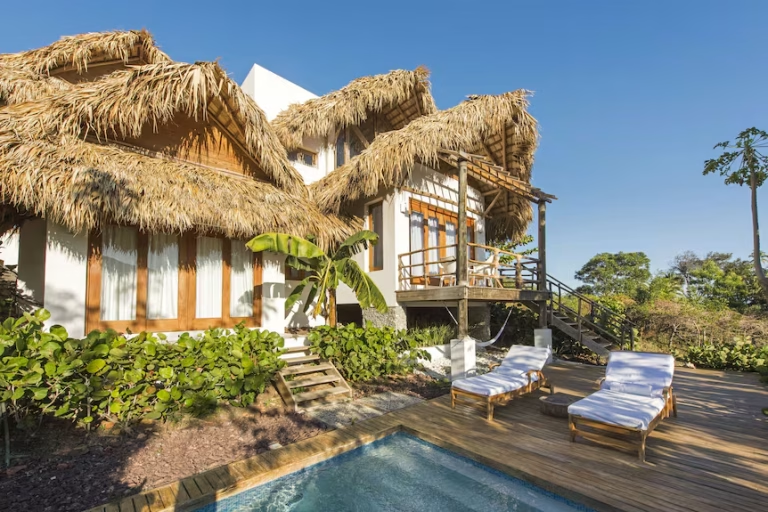
- Samaná
- 7 days / 6 nights
Casa Bonita Tropical Lodge
An eco-luxury retreat designed around nature. Solar-powered facilities, rainwater harvesting, and locally sourced materials create a refined stay that supports conservation and community development.
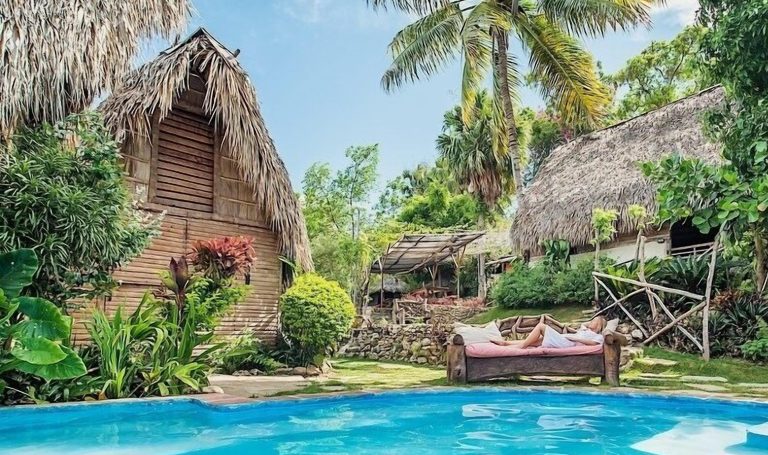
- La Romana
- 10 days / 9 nights
Tubagua Ecolodge
A mountain eco-retreat built with bamboo and native timber, blending immersive nature experiences with responsible tourism practices that protect biodiversity and empower nearby communities.
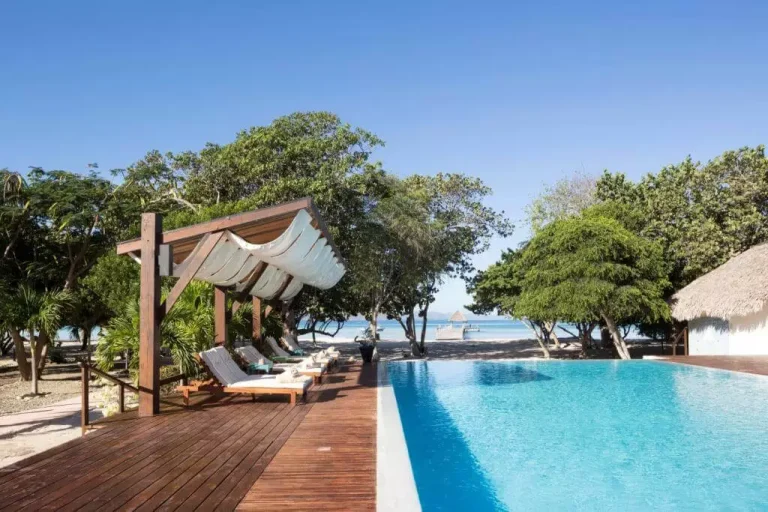
- Punta Cana
- 8 days / 7 nights
Punta Rucia Lodge
A beachfront eco-lodge where mangroves, marine conservation, and renewable energy meet. Designed for travelers seeking low-impact comfort while supporting coastal ecosystems.
Dominican ecotourism combines pristine natural environments with rich cultural heritage. From Los Haitises' Taíno cave paintings to community-run coffee tours in Jarabacoa, visitors experience authentic connections with both nature and local communities while supporting conservation efforts.
Top destinations include Los Haitises National Park for mangroves and cave art, Valle Nuevo for mountain forests, El Limón Waterfall in Samaná, Lago Enriquillo for unique desert ecosystems, and Monte Cristi for marine biodiversity and bird watching.
Ecotourism provides direct income to local families through guided tours, homestays, and local food services. Community cooperatives in areas like Samaná and Bahoruco operate whale watching tours and hiking excursions, ensuring tourism revenue stays within communities.
The DR hosts incredible biodiversity including humpback whales in Samaná Bay, American crocodiles in Lago Enriquillo, manatees in Monte Cristi, over 300 bird species including the endemic Hispaniolan parrot, and diverse marine life in coral reef ecosystems.
Year-round opportunities exist, but December-April offers ideal weather for hiking and outdoor activities. January-March is perfect for whale watching in Samaná Bay. The rainy season (May-November) brings lush landscapes and fewer crowds, ideal for photography and bird watching.
Yes, numerous eco-lodges operate throughout the DR using solar power, rainwater collection, and local materials. Properties like Casa Bonita in Barahona and Tubagua Ecolodge near Puerto Plata combine comfort with environmental responsibility and community support.
Choose certified operators and accommodations, respect local customs and wildlife, minimize waste, support local businesses, and consider carbon offsetting. Look for community-based tour operators and eco-lodges that reinvest in conservation and local development.